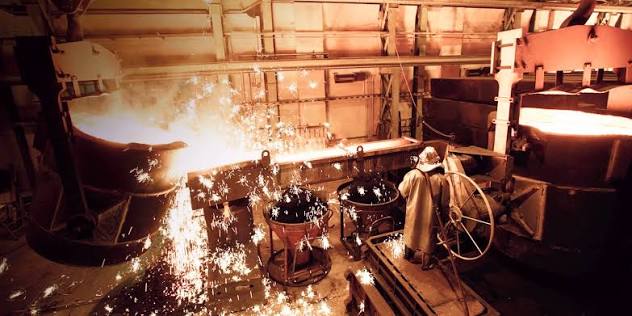

Dimensional accuracy is a critical factor in iron casting manufacturing because it determines whether a finished component meets its specified measurements and performs correctly in its intended application. Industrial castings are often used in machinery assemblies where individual parts must fit together precisely. Even small dimensional variations can create alignment problems, increase assembly time, or affect equipment performance.
Achieving accurate dimensions requires careful attention throughout the manufacturing process, from pattern development and mold preparation to metal pouring, cooling, and machining. An experienced Iron Castings Manufacturer uses suitable engineering methods and inspection procedures to control dimensional variations and produce components that meet customer specifications. Understanding why accuracy matters can help industrial buyers make better decisions when selecting casting products and manufacturing partners.
1. Ensuring Proper Component Fit and Assembly
One of the main reasons dimensional accuracy matters is that cast iron components frequently need to fit with other mechanical parts. Housings, brackets, machine frames, and mounting components must have suitable dimensions to support correct assembly.
For example, a transmission housing may require accurately positioned bearing openings and mounting holes. If these features are incorrectly located, the internal components may not align properly.
Dimensional errors can also create gaps, interference, or uneven contact between assembled parts. Maintaining accurate measurements helps reduce these problems and supports smoother installation.
2. Maintaining Mechanical Performance
The dimensions of a casting can directly influence how it performs under operating conditions. Wall thickness, hole locations, surface geometry, and other measurements may affect the component’s ability to withstand mechanical loads.
A machine housing with insufficient wall thickness may not provide the required structural support. Similarly, incorrectly sized bearing seats can affect shaft positioning and operation.
Dimensional accuracy helps ensure that the component matches the design assumptions used during engineering and testing.
This is particularly important for industrial equipment that operates under repeated loading, vibration, or demanding environmental conditions.
3. Reducing the Need for Additional Machining
<AsyncImage query=”precision CNC machining cast iron industrial metal component milling” aspectRatio=”16:9″ width=”100%”/>
Iron castings often undergo machining to achieve final dimensions and surface requirements. However, inaccurate casting dimensions can increase the amount of machining needed.
For example, excessive material in certain areas may require additional cutting operations, while insufficient material can make it impossible to achieve the required finished dimensions.
Maintaining suitable casting tolerances helps manufacturers plan machining allowances more effectively.
This can reduce unnecessary material removal, machine time, tool wear, and production expenses. It also helps prevent components from being rejected because they cannot be machined to the required specifications.
4. Improving Product Consistency Across Production Batches
Industrial buyers often order the same casting components repeatedly. Maintaining consistent dimensions across different batches is essential when products are used as replacement parts or installed in standardized equipment.
Dimensional variation between batches can cause assembly difficulties and increase the need for adjustments during installation.
Manufacturers can improve consistency through standardized production procedures, controlled tooling, accurate pattern dimensions, and regular inspection.
Maintaining production records also helps identify recurring dimensional problems and supports more reliable manufacturing over time.
5. Preventing Casting Defects and Dimensional Distortion
Dimensional inaccuracies may result from several manufacturing issues, including uneven cooling, mold movement, pattern errors, and uncontrolled shrinkage.
Common problems include:
- Warping and distortion.
- Uneven wall thickness.
- Incorrect hole positions.
- Excessive dimensional shrinkage.
- Mold mismatch.
- Inconsistent external dimensions.
These problems can affect both the appearance and functionality of the finished component.
Manufacturers must consider the geometry and cooling behavior of each casting when developing patterns and molds. Suitable process controls help reduce the likelihood of unwanted dimensional changes.
6. Supporting Better Mold and Pattern Design
<AsyncImage query=”industrial foundry precision casting pattern and sand mold preparation” aspectRatio=”16:9″ width=”100%”/>
Pattern and mold design establish the basic geometry of an iron casting. Their accuracy therefore has a direct influence on the dimensions of the finished product.
Patterns must account for metal shrinkage during cooling, draft angles, and machining allowances. These adjustments help ensure that the final component reaches its intended dimensions.
Modern foundries use computer-aided design (CAD) software to create detailed pattern models and review component geometry before tooling production.
Accurate mold preparation is equally important. Poor alignment between mold sections or incorrect core positioning can produce dimensional variations that affect the final casting.
7. Meeting Engineering Specifications and Industry Requirements
Many industrial components are manufactured according to engineering drawings, technical specifications, and applicable industry standards.
These documents define important requirements such as dimensions, tolerances, material grades, and surface conditions.
Manufacturers must understand which dimensions are critical to the component’s function and which allow greater manufacturing variation.
For example, mounting holes and bearing seats may require tighter tolerances than non-functional external surfaces.
Following clearly defined specifications helps manufacturers deliver products that meet customer expectations and can be integrated into the intended equipment.
8. Reducing Production Waste and Rejection Rates
Dimensional errors can result in rejected castings, additional machining, and unnecessary production costs. When a component falls outside its permitted tolerance, it may require rework or complete replacement.
These problems can waste raw materials, energy, labor, and machine time.
Accurate pattern development and regular process monitoring help reduce the risk of producing out-of-specification components.
Manufacturers can also review inspection data to identify repeated dimensional problems. Correcting the underlying cause is generally more effective than relying only on final inspection to detect defective products.
9. Improving Quality Inspection and Measurement
<AsyncImage query=”coordinate measuring machine CMM precision industrial component dimensional inspection” aspectRatio=”16:9″ width=”100%”/>
Dimensional inspection verifies whether a casting matches its approved engineering drawings. Manufacturers use different measuring tools depending on component size, geometry, and tolerance requirements.
Common inspection equipment includes:
Calipers and micrometers: Used to measure external dimensions, thicknesses, and diameters.
Height gauges: Help verify vertical measurements and feature positions.
Bore gauges: Measure internal diameters and help inspect holes and cylindrical openings.
Coordinate measuring machines (CMM): Measure complex geometries and verify the position of multiple features.
Laser scanning systems: Capture three-dimensional surface information for comparison with digital design models.
Inspection may be performed after casting, cleaning, heat treatment, or machining, depending on the production plan.
A suitable measurement strategy helps manufacturers identify variations and confirm that critical dimensions meet the required tolerances.
10. Controlling Dimensional Accuracy During Cooling
Cooling and solidification are important stages in iron casting because molten metal changes volume as it becomes solid. Different sections of a component may cool at different rates, creating dimensional variations or internal stresses.
Thick sections generally retain heat longer than thin sections. This difference can influence shrinkage behavior and cause distortion in complex geometries.
Manufacturers use appropriate mold designs, risers, chills, and controlled cooling practices to manage solidification.
Casting simulation software can also help engineers study temperature distribution and predict possible dimensional problems before production begins.
Proper cooling control helps improve dimensional stability and reduce the need for corrective operations.
11. The Importance of Precision Machining
Some cast iron components cannot achieve their final functional dimensions through casting alone. Precision machining is therefore necessary for areas that require close tolerances.
Common machining processes include:
- CNC milling.
- Turning.
- Drilling.
- Boring.
- Grinding.
These operations are used to finish mounting surfaces, bearing locations, threaded holes, sealing areas, and other critical features.
Machining requirements should be considered during the casting design stage. Providing sufficient machining allowance helps ensure that the final component can meet its specified dimensions without removing excessive material.
12. How Technology Helps Improve Dimensional Accuracy
Modern manufacturing technology gives foundries more ways to control and measure casting dimensions.
CAD software supports accurate component and pattern design, while casting simulation helps evaluate mold filling and solidification behavior.
CNC machining equipment improves the repeatability of finishing operations. Coordinate measuring machines and digital scanning systems provide detailed information about finished component geometry.
Other useful technologies include:
- Automated pattern production.
- Digital temperature monitoring.
- Precision mold-making equipment.
- Statistical process control.
- Computer-based inspection reporting.
These technologies can improve production consistency when supported by trained personnel and effective quality management procedures.
13. Industries That Depend on Accurate Iron Castings
Dimensional accuracy is important across many industries because cast components often need to fit into larger mechanical systems.
Automotive manufacturing: Engine blocks, brake components, transmission housings, and other parts require accurate dimensions for proper assembly.
Agricultural machinery: Gear housings, brackets, and structural components must fit correctly within equipment assemblies.
Construction equipment: Heavy-duty machine frames and housings require suitable dimensional control to support reliable operation.
Pump and valve manufacturing: Internal passages, mounting features, and sealing surfaces often require precise measurements.
Mining equipment: Components used in demanding environments need suitable dimensions to maintain structural and functional performance.
General industrial machinery: Machine bases, supports, covers, and mechanical housings depend on accurate manufacturing for proper installation.
The specific tolerance requirements vary according to the component’s function, material, and operating conditions.
Conclusion
Dimensional accuracy is essential in iron casting manufacturing because it affects component fit, mechanical performance, machining requirements, production consistency, and overall product quality. Accurate dimensions help ensure that castings meet engineering specifications and integrate correctly into industrial equipment.
Achieving this accuracy requires careful pattern and mold design, controlled melting and cooling, precision machining, and reliable inspection methods. By managing these factors throughout production, manufacturers can reduce defects, limit unnecessary costs, and deliver iron castings that meet the functional requirements of different industrial applications.