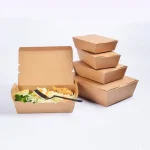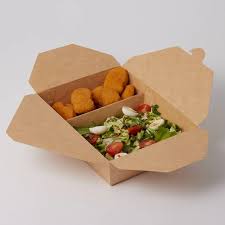

Finding a reliable packaging supplier is an important step for restaurants, catering companies, food manufacturers, and takeaway businesses. The quality and availability of lunch boxes can directly affect food presentation, delivery efficiency, and daily operations. When businesses purchase packaging in large quantities, choosing the wrong supplier can lead to inconsistent products, delayed shipments, and unnecessary expenses.
Working with dependable Paper Lunch Boxes Wholesale suppliers helps businesses maintain consistent packaging standards while managing bulk purchasing requirements. However, selecting the right provider requires careful evaluation of product quality, manufacturing capabilities, pricing, communication, and delivery performance.
1. Understand Your Packaging Requirements
Before contacting suppliers, businesses should identify their packaging needs. Different food operations require different container sizes, materials, and structural designs.
A restaurant serving rice meals may need sturdy containers with grease resistance, while a cafe may require smaller boxes for sandwiches, pastries, and snacks. Catering companies often need several sizes and compartment designs to accommodate different meal combinations.
Prepare a basic list of requirements, including:
- Required box dimensions and capacities.
- Preferred paper materials and thickness.
- Moisture and grease resistance.
- Lid and closure requirements.
- Compartment arrangements.
- Printing and customization preferences.
- Estimated monthly or annual order quantities.
Clear requirements make supplier comparisons easier and reduce the risk of ordering unsuitable products.
2. Research Potential Wholesale Suppliers
The next step is to identify manufacturers and wholesale distributors that specialize in food packaging. Businesses can use industry directories, trade exhibitions, online marketplaces, and supplier websites to build a list of potential providers.
A supplier’s website can offer useful information about its product range, manufacturing facilities, customization services, and business experience. However, a professional website alone does not guarantee product quality or reliability.
Look for providers that clearly explain their materials, specifications, production capabilities, and ordering procedures. Suppliers with experience serving restaurants, catering businesses, and food distributors may better understand the practical requirements of bulk packaging.
3. Verify Manufacturing Capabilities
When purchasing large quantities, it is important to understand whether a supplier manufactures its own products or sources them from other producers. Both manufacturers and distributors can be suitable, but their capabilities and responsibilities may differ.
Manufacturers may offer greater flexibility in material selection, dimensions, structural design, and custom printing. Distributors may provide access to several packaging brands and a wider range of ready-made products.
Ask potential suppliers about their production equipment, manufacturing capacity, quality-control procedures, and ability to handle repeat orders. This information helps determine whether they can support current requirements and future business growth.
4. Evaluate Material Quality
Material quality is one of the most important factors when choosing a paper lunch box supplier. Containers should be strong enough to hold the intended food portions without bending, tearing, or losing their shape.
Buyers should examine paper thickness, fiber quality, construction, and the consistency of finished products. They should also confirm whether the materials are suitable for direct food contact.
Different applications may require different material properties. For example, packaging for dry snacks may have different requirements from containers used for hot meals or oily foods.
Request detailed product specifications rather than relying only on general descriptions such as premium or heavy-duty.
5. Check Moisture and Grease Resistance
Paper-based packaging may require additional barrier treatments to handle oily, wet, or saucy foods. A suitable coating can help prevent moisture penetration and reduce grease staining.
However, the required protection depends on the intended application. Businesses should explain their menu requirements and ask suppliers which products are suitable for those conditions.
It is also important to understand the coating material. Some barriers may affect recycling or composting options, so buyers should request clear information about product composition and disposal requirements.
6. Request Samples Before Placing Bulk Orders
Ordering samples is one of the most effective ways to evaluate a supplier’s products. Product descriptions and photographs cannot always show how a container performs during actual food preparation and delivery.
Businesses should test samples using their regular meals and portion sizes. Useful checks include:
- Whether the container maintains its shape under the food’s weight.
- Whether the base and corners remain stable.
- How well the lid or closure system works.
- Whether moisture or grease affects the material.
- How easily employees can assemble and fill the box.
- Whether the packaging remains secure during transportation.
Sample testing helps identify problems before a large financial commitment is made.
7. Compare Wholesale Prices Carefully
Pricing is an important part of supplier selection, but the lowest quotation does not always represent the best value. Differences in paper quality, container dimensions, coatings, and manufacturing standards can explain variations in price.
Request quotations from multiple suppliers using the same product specifications. This makes it easier to compare offers accurately.
A complete price comparison should include:
- Unit price at different order quantities.
- Minimum order requirements.
- Custom printing charges.
- Packaging and shipping fees.
- Applicable taxes or additional costs.
- Sample and tooling charges, if relevant.
Businesses should calculate the total cost per usable container rather than comparing advertised prices alone.
8. Understand Minimum Order Quantities
Wholesale suppliers often establish minimum order quantities to make production and shipping more efficient. These requirements may vary according to product design, material, printing method, and customization level.
A large minimum order may provide a lower unit price but create storage and cash-flow challenges for smaller businesses.
Before confirming an order, estimate how quickly the packaging will be used. Restaurants with stable demand may benefit from larger purchases, while businesses with seasonal or unpredictable sales may need more flexible quantities.
A reliable supplier should explain its minimum requirements clearly and help buyers understand the available order options.
9. Review Customization and Branding Services
Many restaurants and food businesses prefer packaging that reflects their brand identity. Custom printing can include company logos, brand colors, product information, and other visual elements.
When evaluating suppliers, ask about their printing methods, artwork requirements, color options, and customization costs. It is also important to confirm whether printed packaging requires higher minimum quantities or longer production times.
Reviewing a digital proof or physical sample before production can prevent errors in logo placement, color consistency, and design details.
Customization should also be practical. A simple, clear design may provide better value than complicated printing that significantly increases packaging expenses.
10. Examine Quality-Control Procedures
Consistent product quality is essential for businesses that purchase thousands of containers at a time. Differences in dimensions, paper thickness, folding structures, or printing quality can create operational problems.
Ask suppliers how they inspect raw materials and finished products. Their quality-control process should address relevant factors such as:
- Material thickness and consistency.
- Container dimensions and folding accuracy.
- Structural strength and closure performance.
- Coating application and surface quality.
- Printing accuracy and color consistency.
- Packaging condition before shipment.
Businesses can also discuss acceptable quality standards and procedures for reporting defective products.
11. Confirm Production and Delivery Lead Times
Reliable delivery is particularly important for restaurants and catering companies that depend on packaging for daily operations or scheduled events.
A supplier may offer competitive prices but still create problems if production or shipping takes longer than expected. Delayed packaging shipments can interrupt food preparation and force businesses to find expensive alternatives.
Before placing an order, confirm the expected production schedule, shipping method, delivery timeframe, and order-tracking arrangements.
It is also useful to ask how suppliers handle unexpected production delays or changes in delivery schedules. Clear communication can help businesses plan inventory more effectively.
12. Evaluate Communication and Customer Support
Good communication is an important indicator of a professional supplier relationship. Businesses should be able to receive clear answers about specifications, pricing, production, and order status.
Pay attention to how quickly a supplier responds to inquiries and whether its representatives provide accurate information. Unclear quotations, inconsistent answers, or repeated communication delays may indicate potential difficulties.
Customer support is also important after an order has been delivered. Buyers should understand how the supplier handles complaints, damaged shipments, incorrect quantities, and quality concerns.
13. Check Certifications and Food Packaging Compliance
Food packaging must comply with applicable requirements in the markets where it is sold and used. Buyers should ask suppliers for relevant food-contact documentation and material safety information.
Depending on the product and destination market, documentation may cover paper materials, coatings, adhesives, and printing inks.
Environmental claims should also be verified. If a supplier describes packaging as recyclable, compostable, or made from recycled materials, businesses should request supporting information rather than relying only on marketing descriptions.
14. Assess Storage and Packaging Arrangements
The condition of lunch boxes when they arrive can affect their usability. Bulk orders should be packed in a way that protects products from moisture, dust, crushing, and other forms of damage during transportation.
Businesses should also consider how much storage space an order will require. Flat-packed containers may be easier to store than fully assembled products, depending on the design.
Before ordering, confirm how the supplier packs products, how many units are included in each carton, and whether the packaging is suitable for long-term storage.
15. Start with a Trial Order
Even after researching a supplier and reviewing samples, placing a smaller trial order can provide additional confidence. It allows businesses to assess actual production quality, delivery performance, packaging consistency, and communication throughout the purchasing process.
A trial order also helps reveal whether the supplier can meet the agreed specifications at commercial scale.
After evaluating the shipment, businesses can decide whether to increase order quantities or establish a regular purchasing arrangement. This gradual approach can reduce risk when developing a new supplier relationship.
16. Build a Long-Term Supplier Relationship
Once a suitable supplier has been identified, maintaining a professional relationship can support more predictable purchasing. Regular communication about demand forecasts, product specifications, and delivery schedules helps both parties plan ahead.
Long-term relationships may also create opportunities to discuss volume-based pricing, customized packaging, and improved order arrangements.
An experienced packaging provider such as Uchampak can help businesses explore different lunch box designs and packaging requirements. Buyers should still evaluate product samples, confirm specifications, and agree on order conditions before making purchasing decisions.
Conclusion
Finding reliable wholesale paper lunch box suppliers requires careful research and comparison. Businesses should evaluate material quality, manufacturing capabilities, product customization, pricing, minimum order quantities, quality control, and delivery performance before committing to bulk purchases.
Requesting samples, verifying food-contact documentation, and starting with a trial order can help reduce purchasing risks. By choosing a supplier that offers consistent products, transparent communication, and dependable delivery, restaurants and catering companies can maintain a steady packaging supply and support efficient daily operations.