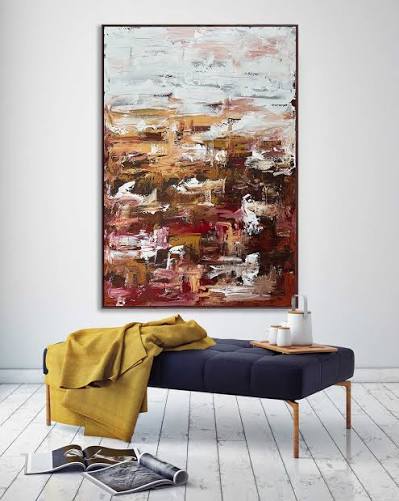

Buying an abstract oil painting is an opportunity to introduce creativity, personality, and artistic depth into your home or workspace. Unlike traditional artwork that represents recognizable subjects, abstract paintings use colors, shapes, textures, and expressive brushwork to communicate ideas and emotions. Their versatility makes them suitable for modern, contemporary, minimalist, and even traditional interiors.
Before making a purchase, it is important to understand what makes a painting suitable for your space and personal preferences. Exploring an Abstract Oil Painting for Sale can introduce you to different artistic approaches, compositions, and color combinations, helping you make a more informed decision based on style, quality, and long-term value.
Understand Your Preferred Artistic Style
Abstract oil paintings are available in numerous artistic styles, each offering a different visual experience. Identifying your preferred style can make the selection process easier.
Some popular options include:
- Abstract expressionism: Characterized by energetic brushstrokes, spontaneous movements, and emotional intensity.
- Geometric abstraction: Uses structured shapes, lines, and patterns to create balanced compositions.
- Minimalist abstraction: Focuses on simple forms, limited colors, and uncluttered arrangements.
- Color field painting: Emphasizes large areas of color to create atmosphere and emotional depth.
- Textured abstract art: Uses layered paint and different application techniques to create interesting surface details.
Consider which artistic approach best reflects your personality and complements your existing surroundings.
Evaluate the Quality of Materials
Material quality plays an important role in the appearance and longevity of an oil painting. Even an attractive composition may not provide lasting satisfaction if it is created using unsuitable materials.
Canvas Quality
A good canvas provides a stable foundation for the artwork. Cotton and linen canvases are commonly used for oil paintings because they offer suitable surfaces for paint application.
Check whether the canvas is properly stretched, primed, and free from visible damage.
Oil Paint Quality
High-quality oil paints generally offer rich pigmentation, smooth blending, and better color consistency. They also allow artists to create multiple layers and subtle transitions.
Ask about the materials used if the painting’s composition or production details are important to your purchasing decision.
Surface Preparation
Proper preparation helps the paint adhere effectively to the canvas. Look for a professionally prepared surface without unintended imperfections, peeling, or irregular damage.
Choose Colors That Match Your Environment
Color selection is one of the most noticeable aspects of abstract artwork. A painting can complement existing decorations or introduce an entirely new visual element into a room.
For neutral interiors, paintings featuring soft beige, gray, white, and earthy tones can create a harmonious appearance. In more colorful spaces, artwork with contrasting shades can provide additional energy and visual interest.
Consider the following factors:
- Existing wall colors and finishes.
- Furniture upholstery and decorative fabrics.
- Natural and artificial lighting.
- The atmosphere you want to establish.
- Other artwork displayed in the same room.
You do not necessarily need to choose a painting that matches every decorative element. A carefully selected contrast can make the artwork more distinctive.
Consider the Size and Dimensions
The dimensions of an abstract oil painting should be appropriate for the wall where it will be displayed. Artwork that is too small can appear disconnected, while an oversized painting may overwhelm a compact room.
Measure the available wall space before purchasing. If you plan to place the painting above a sofa, bed, or console table, consider the width of the furniture when selecting the canvas.
Large paintings are often suitable for spacious living rooms and open interiors. Medium-sized pieces work well in bedrooms and dining areas, while smaller compositions can enhance hallways, offices, and reading corners.
Remember to account for framing and mounting requirements when checking the final dimensions.
Examine the Artist’s Technique and Creativity
The artist’s technique influences the painting’s character, texture, and overall presentation. Abstract artwork can communicate emotion through different brush movements, paint thicknesses, layering methods, and compositional arrangements.
When examining a painting, pay attention to:
- The balance between different shapes and colors.
- The direction and consistency of brushstrokes.
- The use of light, contrast, and visual movement.
- The depth created through multiple paint layers.
- The relationship between individual elements and the overall composition.
A thoughtfully executed painting should feel visually connected, even when it contains irregular shapes or unconventional patterns.
Check Whether the Painting Is Original or Reproduced
Before purchasing, understand whether the artwork is an original hand-painted piece, a reproduction, or a printed canvas.
An original oil painting is created through the direct application of paint by an artist. Each piece may contain unique brushwork, surface variations, and individual artistic details.
Reproductions are designed to replicate existing artwork and may be produced through printing or other reproduction techniques. They can provide an accessible alternative for buyers who prioritize appearance and affordability.
Neither option is automatically suitable for every buyer. Your decision should depend on your budget, artistic preferences, and expectations regarding originality.
Compare Pricing and Overall Value
The price of an abstract oil painting can vary considerably depending on its size, materials, artistic complexity, production method, and the artist’s experience.
Instead of selecting artwork based entirely on the lowest price, evaluate what is included in the purchase.
Consider these aspects:
- Canvas dimensions and material quality.
- Whether the artwork is original or reproduced.
- The artist’s technique and level of detail.
- Framing and finishing requirements.
- Packaging and delivery arrangements.
- Return policies and available purchase protections.
Comparing several options can help you understand typical pricing and identify artwork that offers suitable quality within your budget.
Review Framing and Display Requirements
Framing can influence how an abstract oil painting looks when displayed. Some paintings are designed with traditional frames, while others feature gallery-wrapped canvases that can be displayed without additional framing.
A wooden frame may provide a classic appearance, whereas a simple floating frame can complement contemporary interiors.
Also consider how the painting will be mounted. Check whether hanging hardware is included and whether the wall can support the artwork’s weight.
Choosing appropriate framing and installation methods helps create a polished presentation.
Understand Shipping, Packaging, and Return Policies
Artwork requires careful handling during transportation. Poor packaging can result in damaged corners, scratched surfaces, or other problems.
Before completing a purchase, review the seller’s shipping arrangements and confirm how the painting will be protected.
Important questions include:
- Is the artwork shipped in protective packaging?
- Are delivery costs included in the purchase price?
- Is tracking information provided?
- What happens if the painting arrives damaged?
- Can the artwork be returned if it does not meet expectations?
For larger or more valuable paintings, understanding these details is particularly important.
Consider Maintenance and Long-Term Durability
Oil paintings can remain attractive for many years when properly maintained. However, their surfaces need protection from environmental conditions that may cause deterioration.
Avoid displaying paintings in areas with excessive humidity, sudden temperature changes, or prolonged direct sunlight.
Dust should be removed carefully using an appropriate soft, dry brush. Avoid household cleaning products, water, or chemical solutions unless recommended by a professional conservator.
If the artwork develops cracks, discoloration, or surface damage, seek professional advice rather than attempting repairs yourself.
Think About Emotional and Decorative Value
A painting should not only complement your furniture and wall colors but also create an emotional connection. Abstract artwork often allows viewers to interpret shapes, patterns, and colors differently.
Some compositions may feel peaceful and relaxing, while others communicate movement, energy, or dramatic expression.
Take time to consider how a particular painting makes you feel. Artwork that continues to interest you over time can become a meaningful part of your home rather than simply another decorative accessory.
Research the Seller Before Making a Purchase
Choosing a reliable seller is another important part of buying abstract oil paintings. A trustworthy seller should provide clear product descriptions, accurate dimensions, useful photographs, and transparent purchasing information.
Look for customer feedback and examine available examples of previous work. If possible, request additional photographs showing the painting’s surface, edges, and texture.
Clear communication about materials, production methods, shipping, and returns can help reduce uncertainty and make the buying experience more straightforward.
Final Thoughts
Buying an abstract oil painting requires careful consideration of artistic style, material quality, dimensions, colors, pricing, and display requirements. Each of these factors contributes to how successfully the artwork fits into your environment and how much satisfaction it provides over time.
Rather than focusing exclusively on appearance or price, evaluate the painting as a complete piece of art. Compare different options, research the seller, and choose a composition that reflects your personal taste.
ARTLAND recognizes the importance of combining artistic creativity with thoughtful selection when choosing wall art. With the right balance of quality, design, and personal expression, an abstract oil painting can become a lasting feature that adds character and visual interest to any interior.