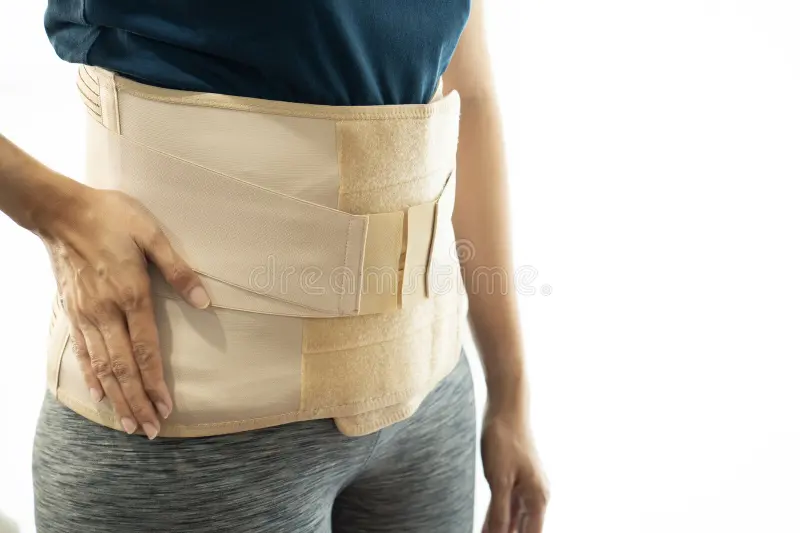

Back discomfort and injuries are common concerns for people of all ages and lifestyles. Whether caused by prolonged sitting, heavy lifting, or physical activity, lower back strain can significantly affect daily life. To alleviate pain, improve posture, and provide extra stability, many people turn to supportive products like back braces. Among the various options available, neoprene back supports have gained popularity for their combination of flexibility, compression, and heat retention, making them ideal for everyday use and active lifestyles.
Neoprene back supports are designed to offer both comfort and stability, helping the lower back maintain proper alignment while reducing muscle fatigue. Products such as Neoprene Back Support provide gentle compression that supports muscles, promotes circulation, and enhances body awareness during movement. Knowing the right time and situations to wear a neoprene support is essential for maximizing its benefits while avoiding dependency or discomfort.
Ideal Situations for Wearing Neoprene Back Support
Neoprene back supports are versatile and can be worn in various scenarios, depending on individual needs. One of the most common uses is during prolonged periods of sitting or standing. Office workers, drivers, and people who spend long hours at desks often experience lower back fatigue. Wearing a support in these situations encourages proper posture, reduces slouching, and alleviates pressure on the lumbar region.
Physical activity is another time when a neoprene back support can be beneficial. Activities such as lifting weights, running, cycling, or engaging in high-intensity workouts put stress on the lower back. A supportive brace provides stability, helps maintain spinal alignment, and minimizes the risk of muscle strain. Athletes and fitness enthusiasts often rely on these supports during training sessions to enhance performance while protecting against injury.
For individuals recovering from mild back injuries or strains, a neoprene back support can provide additional stabilization while still allowing controlled movement. This is particularly useful during daily activities, light exercise, or physical therapy sessions. By keeping the lumbar region supported, the brace helps prevent sudden movements that could aggravate existing injuries.
Benefits of Using Neoprene Back Support at the Right Time
Wearing a neoprene back support during the appropriate activities can enhance comfort and performance. One key benefit is improved posture. By gently guiding the spine into proper alignment, the brace reduces the tendency to slouch or lean improperly. Better posture decreases muscle tension and lowers the likelihood of developing chronic pain.
Another benefit is reduced fatigue. Compression around the lower back muscles helps distribute load more evenly, which can make tasks like standing for long periods or repetitive lifting more manageable. This can be particularly helpful in occupations or activities that require consistent physical effort.
The warmth generated by neoprene also plays a role in comfort and injury prevention. Heat helps relax tight muscles, improves circulation, and increases flexibility, which can reduce stiffness and enhance mobility. This makes the support ideal for both recovery and performance-focused situations.
How to Determine the Right Time to Wear a Neoprene Support
Choosing when to wear a neoprene back support depends on the intensity of activity and individual back health needs. During sedentary periods, such as working at a desk, it is best to wear the support intermittently rather than continuously. Short periods of use can improve posture and reduce discomfort without causing reliance on the brace for support.
During physical activities, the support should be worn throughout the exercise session to stabilize muscles and maintain alignment. However, it is important to ensure that the brace is adjusted correctly for a snug but comfortable fit. Over-tightening can restrict movement or circulation, while a loose fit may reduce effectiveness.
For recovery after mild injuries, the brace can be used during daily tasks and light movement, providing extra protection while the muscles regain strength. It is recommended to gradually reduce usage as the back improves, allowing the muscles to build natural stability and reducing dependency on external support.
Tips for Maximum Comfort and Effectiveness
To get the most from a neoprene back support, proper fitting and adjustment are essential. Ensure the brace covers the lumbar region correctly and that the straps are secure without being restrictive. Checking for proper alignment before engaging in activity will optimize support and comfort.
Pairing the use of the support with strengthening and stretching exercises enhances its effectiveness. Core strengthening exercises improve natural stability, reducing reliance on external supports over time. Stretching can relieve tension in the lower back and maintain flexibility, which complements the benefits of the brace.
Additionally, maintaining proper hygiene and care extends the life of the support. Hand-washing with mild soap and air-drying away from heat sources helps prevent material deterioration and preserves elasticity.
Conclusion
Neoprene back supports provide a combination of comfort, stability, and support that makes them a valuable tool for anyone experiencing back strain, maintaining posture, or engaging in physical activity. Knowing when to wear the brace is essential for maximizing benefits, whether during prolonged sitting, exercise, or recovery from injury. Proper timing, correct fitting, and complementary exercises help users achieve maximum comfort and stability while promoting long-term back health. By using a neoprene back support strategically, individuals can protect their lower back, reduce discomfort, and maintain an active, pain-free lifestyle.