
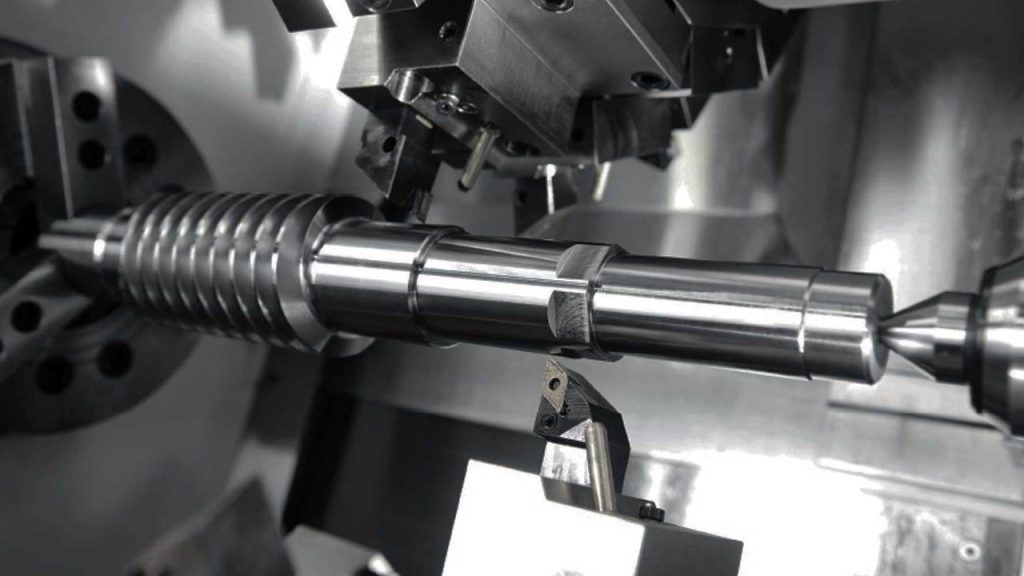

A 2 axis CNC lathe is an essential tool in modern manufacturing, enabling precise turning, cutting, and shaping of cylindrical components. Like any high-precision machinery, its long-term performance depends not only on the quality of the machine itself but also on proper maintenance practices. Regular care ensures accuracy, reduces downtime, extends equipment life, and maximizes return on investment. Workshops and manufacturing facilities that prioritize maintenance can maintain consistent production quality and avoid costly repairs.
Proper maintenance involves a combination of routine inspections, cleaning, lubrication, and calibration. Following manufacturer guidelines is critical, as each machine has specific requirements based on its design and components. Investing time and resources into maintaining a 2 Axis CNC Lathe pays off by improving reliability, enhancing safety, and minimizing disruptions to workflow. Regular preventive measures help detect issues before they escalate, preventing expensive replacements and unplanned downtime.
Routine Cleaning and Inspection
One of the simplest but most effective maintenance practices is regular cleaning. Machining generates metal chips, dust, and coolant residues that can accumulate on the machine’s bed, guides, and tooling. These contaminants can cause wear, corrosion, or even interfere with the smooth movement of components. Daily cleaning using appropriate brushes, vacuums, and cleaning solutions keeps the machine surfaces and moving parts free of debris.
In addition to cleaning, routine inspections are vital. Operators should check for signs of wear, misalignment, or unusual vibrations in the spindle, bearings, and slideways. Early detection of these issues allows corrective measures before they affect machining accuracy or lead to component failure. Keeping a maintenance log can help track trends and identify recurring problems, allowing workshops to plan preventive interventions more effectively.
Lubrication of Moving Parts
Lubrication is critical for maintaining the smooth operation of a CNC lathe. Components such as ball screws, linear guides, and spindle bearings rely on consistent lubrication to reduce friction and wear. Most modern CNC lathes come with automatic lubrication systems, but it is important to check regularly that oil levels are adequate and that the system functions properly.
For machines without automatic lubrication, operators should follow the manufacturer’s recommendations for manual application. Using the correct type of oil or grease is essential, as improper lubrication can damage sensitive components. Scheduled lubrication ensures that all moving parts operate efficiently, reducing heat buildup and extending the life of the machine.
Calibration and Alignment Checks
Precision is the hallmark of a CNC lathe. Over time, mechanical components can drift due to repeated use, vibrations, or thermal expansion. Regular calibration ensures that the machine maintains accurate positioning along the X and Z axes. Alignment checks for the spindle, tool holder, and workpiece clamping mechanisms help prevent dimensional errors in machined parts.
Periodic testing using precision measurement tools, such as dial indicators or laser calibration systems, allows operators to verify machine accuracy. Corrective adjustments should be made immediately when deviations are detected. Maintaining proper calibration safeguards the quality of components and avoids the production of defective parts that could compromise efficiency and customer satisfaction.
Coolant System Maintenance
A properly maintained coolant system is crucial for effective heat dissipation and lubrication during machining. Over time, coolant can become contaminated with metal particles or lose its chemical balance, reducing its effectiveness. Regular monitoring and replacement of coolant ensure consistent performance.
Workshops should clean coolant tanks, filters, and nozzles periodically. Using the recommended coolant type and concentration prevents corrosion and helps maintain proper temperature control. Effective coolant maintenance reduces tool wear, improves surface finish, and prevents overheating, all of which contribute to long-term machine performance.
Tooling and Accessory Care
The 2 axis CNC lathe relies on various cutting tools, holders, and accessories to perform operations. Regular inspection and maintenance of these components are essential. Dull or damaged tools can affect machining accuracy and increase stress on the machine. Ensuring that tools are properly sharpened, aligned, and securely mounted minimizes vibration and maintains consistent cutting performance.
Additionally, check accessories such as chucks, collets, and fixtures for wear or damage. Proper maintenance of these elements ensures safe operation and reduces the risk of workpiece movement or errors during machining.
Electrical and Software Maintenance
CNC lathes include electrical components and software systems that require attention. Inspect electrical connections, cables, and control panels for signs of wear or damage. Updating the machine’s software and firmware, as recommended by the manufacturer, can improve performance, add functionality, and resolve potential issues.
Proper care of electrical systems prevents unexpected failures and enhances machine reliability. Backup of CNC programs and settings also ensures that production can resume quickly in case of technical issues.
Conclusion
Maintaining a 2 axis CNC lathe involves a combination of cleaning, lubrication, calibration, coolant management, and tool care. Regular inspections and adherence to manufacturer guidelines help sustain accuracy, extend the life of components, and optimize production efficiency. Workshops that invest in preventive maintenance practices can reduce downtime, lower repair costs, and ensure that their machines continue to deliver precise, high-quality parts over the long term.
By implementing a comprehensive maintenance routine, manufacturers safeguard their investment and create a reliable production environment. A well-maintained CNC lathe not only performs better but also supports safe, efficient, and profitable operations in any modern machining facility.

