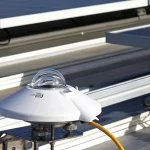
Wind measurement technology has evolved significantly over the past decades, driven by the growing demand for accurate data in meteorology, renewable energy, aviation, and environmental monitoring. The Rika Wind Sensor has emerged as a reliable solution for capturing real-time wind speed and direction. As technology advances, future developments promise enhanced accuracy, connectivity, and versatility, positioning Rika wind sensors as essential tools for industries and research institutions worldwide.
A Rika Wind Sensor combines robust design with precision engineering to deliver reliable data under diverse environmental conditions. Looking ahead, innovation in wind sensor technology will focus on integrating advanced electronics, improved data analytics, and enhanced durability to meet the demands of modern applications. These developments aim to provide operators with more detailed wind information, reduce maintenance requirements, and expand the sensor’s usability in challenging environments.
Enhanced Sensor Accuracy
Advanced Ultrasonic and Digital Sensors
One major area of innovation involves improving the accuracy of ultrasonic and digital Rika wind sensors. Advanced ultrasonic transducers can detect subtle variations in airflow, providing more precise measurements of wind speed and direction. Coupled with enhanced digital signal processing, these sensors can compensate for turbulence, temperature fluctuations, and humidity, ensuring reliable readings in extreme conditions.
Self-Calibration Capabilities
Future Rika wind sensors are expected to incorporate self-calibration features. By continuously monitoring their performance and adjusting internally, sensors can maintain accuracy without frequent manual intervention. This feature will be particularly valuable for remote or hard-to-access installations, reducing downtime and operational costs.
Integration with Smart Systems
IoT and Cloud Connectivity
The integration of Rika wind sensors with Internet of Things (IoT) platforms is a key innovation trend. Sensors with wireless connectivity can transmit data directly to cloud-based analytics platforms, enabling real-time monitoring, predictive modeling, and automated control. This connectivity allows operators to access wind data from anywhere, making it easier to optimize wind farm operations, monitor weather conditions, or conduct environmental research.
Advanced Data Analytics
Next-generation sensors are expected to leverage artificial intelligence (AI) and machine learning to enhance data interpretation. By analyzing historical and real-time data, AI algorithms can predict wind trends, detect anomalies, and optimize energy generation strategies. Integration with predictive analytics will improve decision-making for turbine management, weather forecasting, and disaster preparedness.
Durability and Environmental Adaptability
Weather-Resistant Materials
Future Rika wind sensors will increasingly use advanced materials resistant to UV radiation, corrosion, and extreme temperatures. These improvements will extend the lifespan of sensors in harsh environments, including offshore wind farms, desert climates, and polar regions.
Ice and Debris Management
Innovations in ice and debris prevention are also anticipated. Heating elements, protective coatings, or aerodynamic designs will minimize accumulation of ice, snow, or dust on the sensor’s surfaces. Maintaining clean and unobstructed sensors is critical for accurate measurements and long-term reliability.
Energy Efficiency and Sustainability
Low-Power Designs
As sustainability becomes a priority, future Rika wind sensors are expected to adopt low-power electronics and energy-efficient components. Solar-powered or energy-harvesting options will reduce the need for external power sources, enabling deployment in remote areas and reducing operational costs.
Eco-Friendly Materials
Manufacturers are exploring the use of recyclable and environmentally friendly materials in sensor construction. Sustainable design ensures that the production and disposal of sensors have minimal environmental impact, aligning with global efforts to reduce carbon footprints.
Expansion of Applications
Renewable Energy Optimization
With continued innovation, Rika wind sensors will play an even greater role in optimizing renewable energy production. Enhanced accuracy and predictive analytics will allow wind turbines to adjust in real time to changing conditions, maximizing energy output while reducing wear on mechanical components.
Environmental and Research Applications
Advanced sensors will also support environmental research, including studies on climate change, pollutant dispersion, and ecosystem monitoring. Improved data resolution and analytics capabilities will provide scientists with more detailed insights into airflow patterns and their environmental impacts.
Aviation and Transportation Safety
Next-generation Rika wind sensors will enhance aviation safety by providing high-frequency, highly accurate wind measurements at airports and helipads. This will support safer takeoffs, landings, and real-time weather monitoring for air traffic management.
Conclusion
The future of Rika wind sensor technology is marked by increased accuracy, smarter data integration, enhanced durability, and sustainable design. Innovations in ultrasonic and digital sensor technology, IoT connectivity, AI-driven analytics, and environmental resilience will expand the capabilities of these instruments. As a result, Rika wind sensors will continue to play a critical role in meteorology, renewable energy, aviation, and environmental research. By adopting these advancements, industries and researchers can achieve more precise, reliable, and actionable wind data, supporting safer operations, optimized energy production, and better understanding of environmental systems.