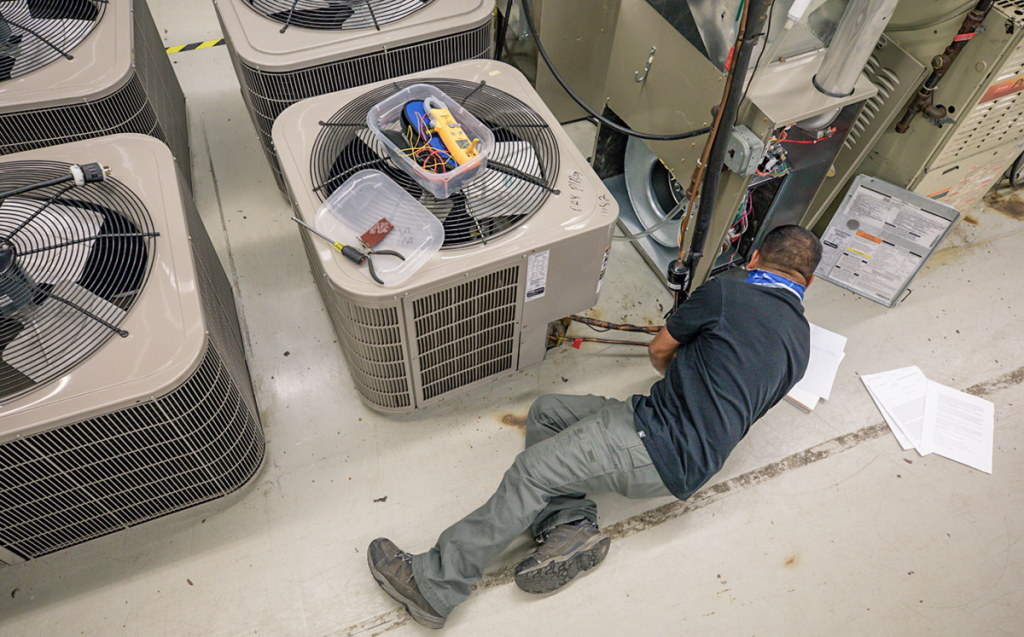

Fresno’s climate presents unique challenges for heating and cooling systems throughout the year. Long periods of intense summer heat, combined with cooler winter temperatures and dry conditions, can place significant stress on HVAC equipment. Understanding these common challenges can help homeowners take proactive steps to improve system performance and reduce the likelihood of unexpected repairs.
Many homeowners rely on professional HVAC Fresno services to keep their heating and cooling systems operating efficiently despite the region’s demanding weather. Regular maintenance and early attention to performance issues can help prevent costly breakdowns and ensure year-round indoor comfort.
Heavy Summer Workloads
Fresno is known for its long, hot summers, which often require air conditioning systems to operate for extended periods each day. Continuous operation increases wear on critical components and can reduce overall system efficiency over time.
Common issues caused by heavy usage include:
- Compressor strain
- Worn blower motors
- Capacitor failure
- Reduced cooling performance
Routine maintenance helps minimize wear and keeps the system operating efficiently.
Dust and Dirty Air Filters
The area’s dry climate can lead to increased dust accumulation, causing air filters to become clogged more quickly. Dirty filters restrict airflow, forcing the system to work harder while reducing indoor air quality.
Replacing filters regularly helps improve airflow, maintain efficiency, and support healthier indoor air.
Uneven Cooling Throughout the Home
Many Fresno homeowners experience rooms that are warmer or cooler than others. Uneven temperatures may result from airflow restrictions, ductwork leaks, poor insulation, or improperly sized HVAC systems.
A professional inspection can identify the underlying cause and recommend solutions that improve comfort throughout the home.
Rising Energy Bills
If utility bills continue to increase without significant changes in energy usage, the HVAC system may be operating inefficiently. Dirty components, aging equipment, or worn mechanical parts can all contribute to higher energy consumption.
Keeping the system properly maintained helps improve efficiency and reduce monthly operating costs.
Refrigerant Leaks
Refrigerant plays a vital role in the cooling process. Leaks can reduce the system’s ability to cool effectively, causing longer operating cycles and increased energy use.
Signs of refrigerant problems may include:
- Warm air from vents
- Ice buildup on refrigerant lines
- Weak cooling performance
- Higher electricity bills
Professional diagnosis and repair are essential for restoring proper cooling.
Electrical Component Wear
Frequent operation during Fresno’s hot summers places additional demand on electrical components such as capacitors, contactors, and relays. As these parts age, they may fail unexpectedly.
Symptoms often include:
- The system won’t start
- Frequent shutdowns
- Clicking or buzzing sounds
- Inconsistent operation
Regular inspections help identify worn electrical components before they cause major system failures.
Poor Indoor Air Quality
A neglected HVAC system can contribute to poor indoor air quality by allowing dust, allergens, and other airborne particles to circulate throughout the home.
Routine maintenance, including filter replacement and system cleaning, helps improve ventilation and create a healthier indoor environment.
Aging HVAC Equipment
Older heating and cooling systems naturally lose efficiency as components wear out. They may require more frequent repairs, struggle to maintain comfortable temperatures, and consume more energy than newer models.
Homeowners with aging systems should monitor performance closely and schedule professional evaluations to determine whether repairs or upgrades are appropriate.
Importance of Preventive Maintenance
Many HVAC challenges can be minimized through regular preventive maintenance. Seasonal inspections help technicians identify developing problems before they become costly repairs.
Typical maintenance services include:
- Replacing air filters
- Cleaning condenser and evaporator coils
- Inspecting electrical connections
- Checking refrigerant levels
- Testing overall system performance
These routine services help improve reliability, efficiency, and equipment lifespan.
Conclusion
Fresno’s climate creates unique demands on heating and cooling systems, making regular maintenance more important than ever. Heavy summer usage, dust accumulation, refrigerant leaks, uneven cooling, and aging equipment are among the most common HVAC challenges homeowners face. By recognizing these issues early and investing in preventive care, residents can improve system efficiency, reduce repair costs, and enjoy reliable indoor comfort throughout every season.