
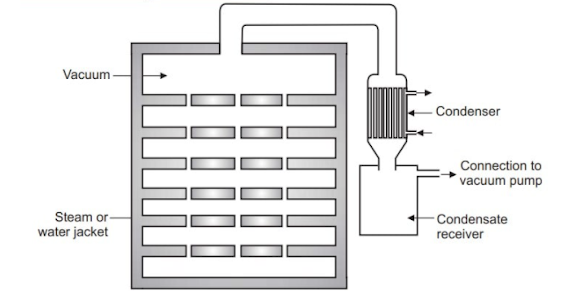

Vacuum drying technology is widely used across industries that require efficient moisture removal while maintaining product quality and stability. By reducing pressure inside a controlled chamber, vacuum drying allows materials to dry at lower temperatures, making it suitable for heat-sensitive products and complex manufacturing processes.
Many industries depend on reliable Vacuum Drying Equipment to improve production efficiency, protect material properties, and achieve consistent drying results. From pharmaceuticals to food processing, this technology supports applications where precision and process control are essential.
Pharmaceutical Manufacturing
The pharmaceutical industry commonly uses vacuum drying because many active ingredients and compounds require gentle processing conditions. Traditional high-temperature drying methods may affect product stability, while vacuum drying helps preserve important properties.
Typical applications include:
- Drying active pharmaceutical ingredients
- Removing solvents from compounds
- Processing sensitive chemical materials
- Preparing laboratory and production samples
Controlled temperature and pressure conditions help maintain product quality while meeting strict industry requirements.
Chemical Processing
Chemical manufacturers often work with materials that require careful moisture removal without changing their chemical structure. Vacuum drying provides a controlled environment that supports efficient and reliable processing.
Common chemical applications include:
- Solvent recovery
- Powder drying
- Specialty chemical production
- Intermediate material processing
The ability to operate at lower temperatures makes vacuum drying suitable for a wide range of chemical products.
Food and Beverage Industry
The food industry uses vacuum drying to preserve flavor, texture, and nutritional value while reducing moisture content. Lower drying temperatures help protect sensitive food components that may degrade during conventional drying.
Applications include:
- Fruit and vegetable drying
- Food ingredient preparation
- Flavor preservation
- Specialty food production
Vacuum drying helps manufacturers produce high-quality products with improved shelf stability.
Biotechnology Applications
Biotechnology processes often involve delicate biological materials that require precise handling. Vacuum drying allows moisture removal under controlled conditions, helping protect sensitive compounds.
Common uses include:
- Biological sample preparation
- Research materials
- Specialty biological products
- Laboratory applications
Accurate control over drying conditions makes vacuum technology suitable for advanced biological processes.
Electronics and Advanced Materials
Manufacturers of electronics and advanced materials often require controlled drying to remove moisture without damaging components. Excess moisture can negatively affect product performance and reliability.
Vacuum drying is used for:
- Electronic component drying
- Material preparation
- Moisture removal from sensitive parts
- Specialty material processing
The controlled environment supports improved product consistency and quality.
Research and Development Facilities
Research laboratories use vacuum drying equipment for experimental work and small-scale processing. The technology provides precise control over temperature and pressure, which is important for testing different materials and processes.
Laboratory applications include:
- Sample drying
- Chemical research
- Material testing
- Experimental production
The flexibility of vacuum drying makes it valuable for both research and industrial development.
Benefits Across Different Industries
Although applications vary, vacuum drying provides several advantages that make it useful across multiple sectors.
Key benefits include:
- Lower operating temperatures
- Improved moisture removal
- Reduced risk of product damage
- Better process consistency
- Enhanced production control
These advantages allow manufacturers to improve efficiency while maintaining product quality.
Factors Affecting Equipment Selection
Different industries have different requirements when choosing vacuum drying systems. Selecting suitable equipment depends on several important factors.
Businesses should consider:
- Material characteristics
- Required drying capacity
- Production conditions
- Energy efficiency
- Maintenance requirements
- Automation needs
A proper evaluation helps ensure that the selected system matches the specific application.
Conclusion
Vacuum drying equipment supports a wide range of industrial applications by providing efficient and controlled moisture removal. Pharmaceutical, chemical, food, biotechnology, electronics, and research industries all benefit from the precision and flexibility of this technology. As manufacturers continue to focus on quality, efficiency, and reliability, vacuum drying remains an important solution for modern production processes.


