
Introduction to Medical Silicone Tubing
In modern healthcare, the selection of materials for medical devices is crucial to ensuring patient safety, reliability, and performance. Among the many materials available, medical silicone tubing has emerged as a preferred choice for hospitals, laboratories, and medical device manufacturers. Its unique combination of flexibility, durability, and biocompatibility makes it suitable for a wide range of medical applications, from fluid transfer to respiratory systems and surgical equipment.
Medical professionals and engineers often compare silicone tubing to other materials such as PVC, polyurethane, and rubber. While each material has its own set of applications, silicone stands out in situations where long-term reliability, chemical stability, and patient safety are paramount. Many healthcare facilities and manufacturers rely on high-quality Medical Silicone Tubing because it consistently meets stringent medical standards and provides superior performance in critical healthcare environments.
Biocompatibility and Patient Safety
One of the most significant advantages of silicone tubing over other medical materials is its biocompatibility. Silicone is chemically inert and non-toxic, making it safe for direct contact with human tissues and bodily fluids. This is particularly important in applications such as intravenous therapy, catheters, and surgical drainage systems, where patient safety is critical.
Other materials like PVC may contain plasticizers or additives that can leach into fluids, potentially causing adverse reactions. Silicone, by contrast, maintains chemical stability even during prolonged exposure, reducing the risk of contamination or irritation. Its hypoallergenic properties make it suitable for patients with sensitive skin or allergies, ensuring a safer experience in medical procedures.
Flexibility and Mechanical Performance
Medical silicone tubing is highly flexible, which provides a key advantage over more rigid materials like glass or hard plastics. This flexibility allows the tubing to bend, stretch, and adapt to different configurations without collapsing or losing its shape. In applications such as respiratory equipment, peristaltic pumps, and wearable medical devices, this property is essential for maintaining consistent performance.
Durability is another critical factor. Silicone can withstand repeated bending and compression without cracking or tearing. Other materials, such as rubber, may degrade over time when exposed to mechanical stress or repeated sterilization. Silicone’s resilience ensures that medical devices remain reliable throughout extended use, reducing maintenance costs and improving patient outcomes.
Temperature Resistance and Sterilization Compatibility
Medical procedures often require sterilization of equipment to maintain hygienic conditions. Silicone tubing has a distinct advantage because it can tolerate extreme temperatures without losing its physical properties. It remains stable during autoclaving, gamma radiation, chemical sterilization, and other cleaning processes commonly used in hospitals and laboratories.
Materials like PVC or polyurethane may degrade, deform, or lose flexibility when exposed to high temperatures or repeated sterilization cycles. Silicone’s thermal stability makes it ideal for reusable devices, ensuring long-term sterility and reducing the risk of equipment failure during critical procedures.
Chemical Resistance and Purity
Medical silicone tubing is highly resistant to a wide range of chemicals, including cleaning agents, disinfectants, and various medical fluids. This chemical resistance ensures that tubing maintains purity and does not react with medications, saline solutions, or biological samples. In pharmaceutical and laboratory applications, this property is particularly important for preventing contamination and ensuring accurate results.
In comparison, materials like rubber or standard plastics may react with certain chemicals, causing degradation or leaching substances into the fluids. Silicone’s ability to remain inert under these conditions gives it a clear advantage in sensitive applications where maintaining fluid integrity is essential.
Transparency and Visual Monitoring
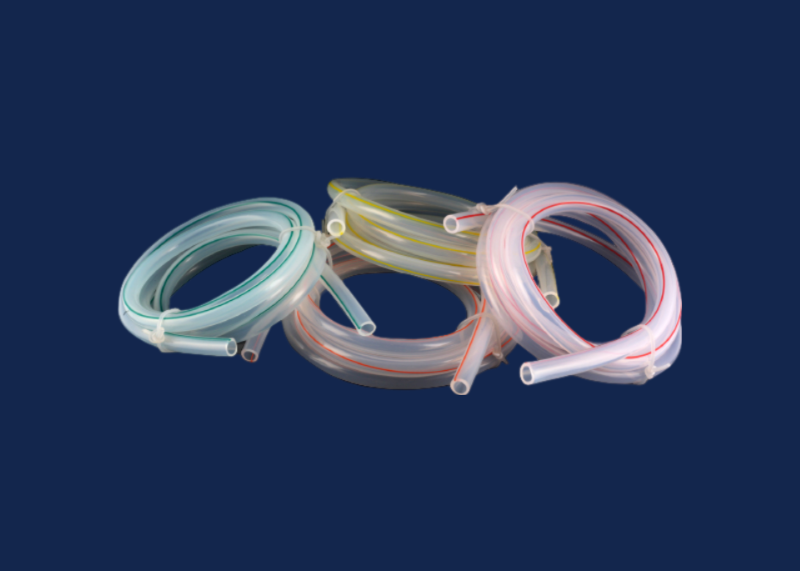
Many types of medical silicone tubing are designed to be transparent, allowing healthcare professionals to monitor fluid flow visually. This feature helps detect air bubbles, blockages, or irregular flow during procedures such as intravenous therapy, dialysis, or laboratory fluid transfer.
While some plastics can provide transparency, silicone combines this feature with flexibility and chemical stability, creating a superior option for applications that require both visual monitoring and long-term reliability. The smooth inner surface of silicone tubing also reduces the risk of microbial buildup, further enhancing safety.
Longevity and Cost-Effectiveness
Although silicone tubing may have a higher initial cost compared to materials like PVC or rubber, its durability and resistance to chemical and thermal degradation make it cost-effective in the long term. Reduced replacement frequency, fewer maintenance requirements, and reliability during critical medical procedures make silicone tubing a valuable investment for healthcare facilities.
By contrast, less durable materials may need frequent replacement and can pose higher risks of contamination or device failure, leading to additional operational costs and potential patient safety concerns.
Conclusion
Medical silicone tubing offers a wide range of advantages over other materials, including superior biocompatibility, flexibility, thermal stability, chemical resistance, and durability. Its transparency and smooth surfaces further enhance safety and monitoring capabilities in medical procedures.
Healthcare providers and device manufacturers increasingly choose silicone tubing because it combines long-term reliability with patient safety and regulatory compliance. By addressing the limitations of other materials, silicone tubing continues to be an essential component in hospitals, laboratories, and medical devices, supporting safe and efficient healthcare practices.