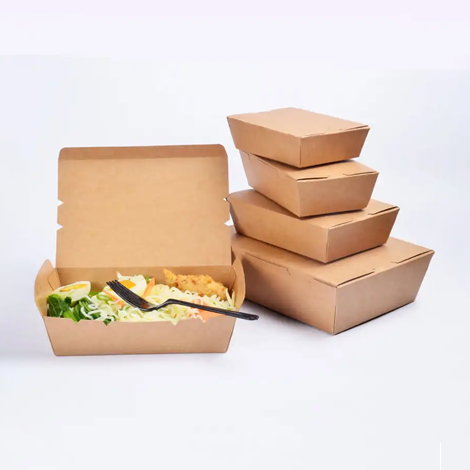

Sustainability has become an important consideration in the food packaging industry. As restaurants, takeaway services, and catering businesses respond to changing customer expectations, many are exploring packaging materials that offer practical performance while supporting more responsible resource use. This shift has encouraged greater interest in paper-based packaging and alternative container designs.
Among the options receiving attention, Cardboard Bento Boxes combine organized food presentation with the functional benefits of cardboard packaging. Their compartment-based structure makes them suitable for businesses serving meals with multiple ingredients, while their material composition can offer recycling opportunities when appropriate facilities are available.
1. Growing Awareness of Sustainable Food Packaging
Environmental awareness is influencing purchasing decisions across the food service industry. Customers increasingly pay attention to how takeaway meals are packaged, including the materials used and the options available for disposal.
Restaurants are responding by reviewing their packaging choices and considering alternatives that may reduce unnecessary material use or improve waste management.
Paper-based containers have become part of this discussion because they can be produced from renewable fibre sources and may be recyclable under suitable conditions. However, the actual environmental impact depends on material sourcing, manufacturing processes, coatings, and disposal infrastructure.
2. Why Cardboard Packaging Is Gaining Attention
Cardboard is widely used in food packaging because it is lightweight, adaptable, and available in different shapes and sizes. It can be manufactured into containers that accommodate various food types and serving requirements.
For takeaway businesses, these characteristics provide practical advantages. Cardboard boxes are generally easy to handle and can be designed with different structural features to support food presentation and transportation.
Their suitability still depends on the specific construction, particularly when packaging hot, oily, or moisture-rich meals.
3. The Role of Compartment-Based Designs
Modern food packaging must support convenience as well as material considerations. Customers often order meals containing several ingredients, and keeping these components organized can improve the overall dining experience.
Bento-style packaging addresses this need through divided compartments that provide separate spaces for different food portions.
For example, a single container can hold:
- Rice or another main dish.
- Grilled vegetables or protein portions.
- Fresh salads and side dishes.
- Snacks or other meal components.
This arrangement can reduce the need for multiple individual containers when the food types are compatible with the same packaging design.
4. Customer Preferences Are Influencing Packaging Choices
Customer expectations have changed as takeaway and food delivery services have become more common. People increasingly look for packaging that is convenient to carry, easy to open, and suitable for different eating environments.
At the same time, some customers prefer businesses that demonstrate consideration for environmental issues.
Restaurants can respond by selecting packaging with clearly documented material information and practical disposal options. Transparent communication about recyclability and material composition can also help customers understand the packaging choices being made.
5. Supporting Waste Reduction Through Better Packaging Design
Sustainable packaging involves more than choosing a particular material. It also requires considering how much packaging is used and whether its design serves a practical purpose.
Compartment-based boxes can help combine different meal components into one container, potentially reducing the number of separate packages required for suitable orders.
Businesses can further improve packaging efficiency by selecting appropriate dimensions and avoiding oversized containers.
However, the packaging should never be reduced to the point where food protection or transportation performance is compromised.
6. The Importance of Recyclability and Material Transparency
Recyclability is an important factor when evaluating cardboard food packaging, but it should not be assumed automatically.
Some containers include grease-resistant coatings, adhesives, or other treatments that may affect recycling options. Food residue can also make certain packaging unsuitable for collection through standard recycling systems.
Before selecting a product, businesses should review:
- The source and composition of the cardboard.
- Whether protective coatings are present.
- Available recycling or composting certifications.
- Local waste collection and processing requirements.
- Manufacturer guidance for proper disposal.
Understanding these details helps businesses make more informed packaging decisions and avoid unsupported environmental claims.
7. Why Restaurants and Takeaway Businesses Are Adapting
Food service businesses operate in a competitive market where packaging affects both operational efficiency and customer satisfaction.
Restaurants need containers that are practical for employees, suitable for delivery, and appealing to customers. Bento-style cardboard packaging can address several of these requirements through its organized structure and adaptable design.
It is particularly useful for:
- Restaurants serving combination meals.
- Cafés offering takeaway lunch options.
- Catering companies preparing individual portions.
- Food delivery businesses handling varied menus.
- Businesses selling ready-to-eat meal combinations.
Selecting the right packaging can help these businesses balance functionality with their wider material and waste management goals.
8. Balancing Sustainability with Food Safety
Although environmental considerations are important, food safety must remain a priority when selecting packaging.
Different meals create different packaging challenges. Hot dishes, oily ingredients, and foods containing sauces may require additional material protection.
Businesses should choose food-contact materials that comply with applicable safety requirements and are suitable for the intended temperature and moisture conditions.
Packaging should also provide adequate structural strength and a reliable closure to protect meals during handling and transportation.
9. Innovation Is Shaping the Future of Food Packaging
The food packaging industry continues to explore new materials, coatings, and container designs. Manufacturers are working on solutions that aim to improve functionality while addressing concerns about resource consumption and waste.
Developments in fibre-based materials, improved barrier treatments, and more efficient packaging structures may provide additional options for food businesses.
As these developments continue, restaurants will need to evaluate products based on verified performance, material information, and practical disposal options rather than relying on environmental labels alone.
Conclusion
Sustainable packaging trends are encouraging restaurants and food businesses to reconsider the materials and designs they use for takeaway meals. Cardboard bento-style containers offer a practical combination of organized compartments, convenient handling, and potential recycling opportunities.
Their suitability depends on material composition, food compatibility, packaging performance, and local waste management facilities. By evaluating these factors carefully, businesses can select packaging that supports their operational requirements while making more informed decisions about environmental responsibility.