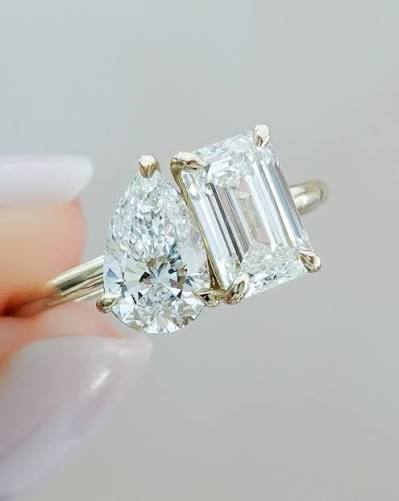

Choosing an engagement ring is an important decision because it represents commitment, love, and the beginning of a shared future. With changing jewelry trends and advances in diamond-growing technology, couples now have more options than ever before. Lab-grown diamonds have become a popular choice because they offer the beauty and durability of genuine diamonds while providing greater flexibility in purchasing decisions.
When selecting a Lab Diamond Ring, it is important to look beyond its appearance. Factors such as diamond quality, shape, carat weight, metal selection, setting style, and budget all influence the final choice. Understanding these details can help buyers find an engagement ring that combines visual appeal, comfort, and lasting significance.
1. Understand What Makes Lab-Grown Diamonds Different
Before choosing an engagement ring, buyers should understand what lab-grown diamonds actually are.
Lab-grown diamonds are genuine diamonds created in controlled laboratory environments using advanced manufacturing processes. They have essentially the same chemical composition, crystal structure, hardness, and optical properties as natural diamonds.
The primary difference is their origin. Natural diamonds develop through geological processes deep within the Earth, while laboratory-grown diamonds are produced using specialized equipment.
Two main technologies are used:
- High Pressure High Temperature (HPHT): Recreates the high-pressure and high-temperature conditions required for diamond formation.
- Chemical Vapor Deposition (CVD): Uses carbon-containing gases to gradually grow a diamond crystal on a small diamond seed.
Understanding these processes helps buyers distinguish lab-grown diamonds from imitation stones such as cubic zirconia and moissanite.
2. Set a Realistic Engagement Ring Budget
Establishing a budget is one of the most practical steps when shopping for an engagement ring.
Lab-grown diamonds are generally more affordable than comparable natural diamonds, allowing couples to explore different sizes, quality grades, and settings within a particular spending limit.
However, the center diamond is not the only factor that determines the total price. The metal, craftsmanship, setting complexity, and additional gemstones can also influence the final cost.
When planning your budget, consider:
- The size and quality of the center diamond.
- The type of precious metal used for the band.
- Additional accent diamonds or decorative details.
- Customization and engraving expenses.
- Warranty, resizing, and maintenance services.
A well-planned budget makes it easier to balance diamond quality with the overall design without unnecessary spending.
3. Choose the Right Diamond Shape
Diamond shape has a major influence on the appearance of an engagement ring. Different cuts create distinct visual effects, so buyers should consider personal style and everyday preferences.
Some popular options include:
Round Brilliant
The round brilliant is a classic engagement ring choice. Its carefully designed facets maximize light reflection, producing exceptional sparkle.
It works well with solitaire, halo, and pavé settings.
Oval
Oval diamonds have an elongated appearance that creates an elegant look. Their shape can make the center stone appear larger than some diamonds of similar carat weight.
Princess
Princess-cut diamonds feature a square shape with sharp corners and brilliant faceting. They are suitable for buyers who prefer a modern and geometric design.
Emerald
Emerald-cut diamonds have rectangular step-cut facets that create a distinctive hall-of-mirrors effect. They emphasize clarity and clean proportions rather than intense sparkle.
Cushion
Cushion-cut diamonds combine a square or rectangular outline with rounded corners. Their soft appearance makes them suitable for both vintage-inspired and contemporary designs.
Pear
Pear-shaped diamonds combine rounded and pointed ends, creating a distinctive teardrop silhouette. They are often selected for their elegant and unconventional appearance.
Comparing different shapes in person or through high-quality images can help buyers identify the style that best matches their preferences.
4. Evaluate the Four Cs of Diamond Quality
The four Cs are essential when comparing diamonds. They include cut, color, clarity, and carat weight.
Cut
Cut quality affects how efficiently a diamond reflects and disperses light. It influences brilliance, fire, and overall visual performance.
For many buyers, cut deserves particular attention because an attractive cut can make a significant difference in a diamond’s appearance.
Color
Diamond color grading evaluates how much color is visible in a traditionally colorless diamond.
The standard grading scale ranges from D, representing colorless diamonds, to Z, representing diamonds with noticeable yellow or brown tones.
The ideal choice depends on personal preference, the metal color, and budget.
Clarity
Clarity describes the presence of internal inclusions and external blemishes.
Higher clarity grades generally indicate fewer visible imperfections. However, some inclusions cannot be easily noticed without magnification, meaning buyers may find excellent-looking options without selecting the highest clarity grade.
Carat Weight
Carat measures diamond weight rather than physical size. One carat equals 200 milligrams.
A larger carat weight does not automatically mean a more beautiful diamond. Shape, cut proportions, and overall dimensions also influence its appearance.
The best approach is to consider all four characteristics together rather than prioritizing size alone.
5. Select a Ring Setting That Matches Your Style
The setting determines how the diamond is positioned and secured within the ring. It also plays an important role in the overall design.
Solitaire Setting
A solitaire setting features one central diamond. Its simple structure keeps attention on the main stone and provides a timeless appearance.
Halo Setting
A halo setting surrounds the center diamond with smaller stones. This arrangement creates additional sparkle and can make the central stone appear larger.
Three-Stone Setting
Three-stone rings feature a central diamond accompanied by two side stones. Many couples appreciate the symbolic association with the past, present, and future.
Pavé Setting
Pavé settings include small diamonds placed closely together along the band. They create a continuous sparkling effect and complement different center stone shapes.
Bezel Setting
A bezel setting uses a metal rim to surround the diamond’s outer edge. It offers a modern appearance and additional protection around the stone.
When choosing a setting, consider comfort, durability, maintenance, and how securely the diamond is held.
6. Choose the Best Metal for the Ring Band
The metal affects the ring’s appearance, strength, maintenance requirements, and price.
Popular choices include:
| Metal | Main Characteristics | Suitable Style |
|---|---|---|
| Platinum | Durable, naturally white, and corrosion-resistant | Modern and classic |
| White gold | Bright appearance and versatile styling | Contemporary |
| Yellow gold | Warm tone and traditional appeal | Classic and vintage |
| Rose gold | Pinkish color created by copper alloying | Romantic and modern |
Platinum is often selected for its durability, while gold offers several color options.
Buyers should also consider skin sensitivity, metal purity, and maintenance requirements when making their decision.
7. Consider Your Partner’s Lifestyle
An engagement ring should look attractive while remaining practical for everyday wear.
Someone who works with their hands, participates in sports, or frequently handles equipment may benefit from a simpler design with a secure setting.
For example, a bezel setting or a low-profile solitaire can reduce the chances of catching the ring on clothing or other objects.
On the other hand, someone who enjoys decorative jewelry may prefer a halo, pavé, or more elaborate design.
Before selecting a ring, consider:
- Daily work and recreational activities.
- Preferred jewelry styles.
- Comfort and finger movement.
- Desired maintenance level.
- Whether the ring will be worn alongside a wedding band.
These practical details can help narrow down the most suitable design.
8. Check Diamond Certification and Documentation
Certification and grading documentation are important when purchasing a lab-grown diamond.
A report from a recognized gemological organization provides information about the diamond’s identity and quality characteristics.
Organizations such as the Gemological Institute of America (GIA) and the International Gemological Institute (IGI) offer laboratory-grown diamond identification and grading services.
Before purchasing, review the following information:
- Confirmation that the diamond is laboratory-grown.
- Carat weight and measurements.
- Color and clarity information.
- Cut-related details, where provided.
- Report number and laser inscription, if applicable.
Buyers should ensure that the documentation corresponds to the actual diamond being sold.
9. Decide Whether You Want a Custom Engagement Ring
Custom jewelry provides an opportunity to create a ring that reflects individual preferences and personal meaning.
Instead of selecting a ready-made design, couples can work with a jeweler to choose the center diamond, band shape, metal, setting, and decorative details.
Some customization ideas include:
- Adding a personal message inside the band.
- Selecting an unusual diamond shape.
- Combining different precious metals.
- Including small accent diamonds.
- Creating a distinctive setting based on a personal design.
Before approving a custom design, review the proposed measurements, stone placement, metal specifications, production timeline, and final pricing.
A detailed design plan helps reduce misunderstandings during the manufacturing process.
10. Compare Prices and Purchasing Options
Comparing several rings can help buyers understand whether the price reflects the diamond’s characteristics and the quality of its craftsmanship.
Two rings with similar carat weights may have noticeably different prices because of differences in cut, color, clarity, setting materials, and design complexity.
When comparing options, look at the complete specifications rather than relying only on promotional descriptions.
It is also useful to review the seller’s policies regarding:
- Returns and exchanges.
- Resizing services.
- Warranty coverage.
- Repairs and maintenance.
- Shipping and delivery.
- Customization and cancellation terms.
A transparent purchasing process makes it easier to evaluate the overall value of an engagement ring.
11. Think About Long-Term Care and Maintenance
Although diamonds are highly resistant to scratching, engagement rings still require regular care.
Lab-grown diamonds have the same hardness as natural diamonds, but they can chip or fracture under certain impact conditions. The metal setting may also become loose or damaged over time.
Follow these basic maintenance practices:
- Clean the ring periodically with warm water, mild soap, and a soft brush.
- Avoid harsh chemicals and abrasive cleaning products.
- Remove the ring during activities that could expose it to strong impacts.
- Store it separately from other jewelry.
- Have the prongs and setting inspected periodically by a professional jeweler.
Proper maintenance helps preserve the ring’s appearance and reduces the risk of losing the center stone.
12. Avoid Common Engagement Ring Buying Mistakes
First-time buyers sometimes focus too heavily on appearance or carat weight without examining other important characteristics.
Avoid these common mistakes:
Choosing Size Over Cut Quality: A larger diamond may not look as brilliant as a smaller stone with better proportions.
Ignoring Certification: Always review appropriate documentation to understand the diamond’s origin and specifications.
Selecting an Uncomfortable Setting: An attractive design may not be practical for someone who wears jewelry throughout the day.
Overlooking Metal Quality: The band and setting contribute significantly to the ring’s durability.
Ignoring Return Policies: Understand the seller’s terms before completing the purchase, especially when ordering online.
Assuming Strong Resale Value: Lab-grown diamonds generally have limited resale value compared with their original retail prices. Purchase the ring primarily for its personal and sentimental significance.
Conclusion
Choosing the perfect lab-grown diamond engagement ring involves balancing beauty, quality, comfort, and budget. From selecting the right diamond shape to evaluating the four Cs and choosing a suitable metal, every decision contributes to the final appearance and practicality of the jewelry.
Couples should also pay attention to certification, setting quality, customization options, and long-term maintenance requirements. Taking time to compare different designs and understand their specifications can prevent unnecessary expenses and help buyers make confident decisions.
Ultimately, the ideal engagement ring is not necessarily the largest or most expensive option. It is the one that reflects the couple’s personality, suits their lifestyle, and carries a meaningful connection to their relationship.