
The most revealing conversations in Singapore’s trading community happen in the spaces where nobody is trying to close a deal. Away from broker webinars and platform demonstration events, in the casual exchanges that happen at kopitiam tables around the city or in the back channels of trading Telegram groups, a different kind of honesty emerges. Traders talk about what actually works, what quietly frustrates them, and which tools have earned genuine loyalty rather than just continued use out of habit. When the topic turns to forex trading platforms, the candour is often striking.
The first thing that comes up repeatedly is stability under pressure. During major economic releases, when the market moves fast and positions need to be managed quickly, the difference between a platform that holds and one that lags becomes immediately consequential. Traders who have experienced freezes or execution delays during a Federal Reserve announcement or a non-farm payrolls release tend to remember it precisely and reference it when evaluating whether to stay with a provider or switch. No amount of promotional material counteracts the memory of a platform failing at the moment it mattered most.
Mobile functionality generates strong opinions in a city where traders are often managing positions between meetings or during commutes. The gap between a mobile interface that genuinely replicates desktop capability and one that offers a stripped-down approximation is felt immediately by anyone trying to adjust a stop loss or read a chart during a commute. Experienced participants have developed clear hierarchies in their minds about which forex trading platforms deliver a consistent cross-device experience and which ones quietly degrade when the screen gets smaller.
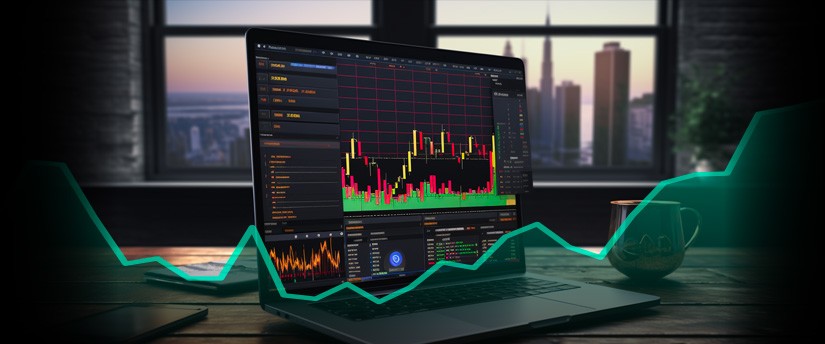
Charting tools draw a different kind of conversation. Singapore traders with analytical inclinations talk about indicators, drawing tools, and the quality of historical data with the specificity of people who have spent real time working inside these environments. TradingView earns frequent mention because its charting depth has set an expectation that traders carry into their evaluation of broker-native platforms. When a platform’s charting falls short of that reference point, traders notice and say so directly.
Customer support is discussed with a mixture of resignation and genuine appreciation when it is done well. The practical reality of trading across time zones means that issues arise outside business hours, and how a broker responds in those moments reveals more about the provider relationship than any marketing material discloses. Traders who have navigated a withdrawal complication or a technical issue at two in the morning have clear views about which providers treat client problems as priorities and which ones apply bureaucratic friction until the problem resolves itself or the trader abandons the effort.
What emerges from these unguarded conversations is a picture of the retail trading experience that product comparisons rarely capture. The traders who have been at it longest are not loyal to platforms because of feature lists. They stay because a combination of reliability, honest cost structures, and responsive support has accumulated into something that feels worth preserving. In a market where switching costs are relatively low and alternatives are plentiful, that kind of earned loyalty is the most honest metric available, and Singapore’s experienced traders are not shy about saying exactly what it took to earn it.