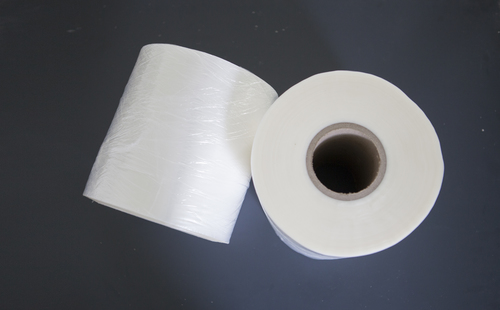

Water soluble films have become an essential material across many industries due to their ability to dissolve completely in water while maintaining strength during handling. From detergent pods and agrochemical packaging to medical and industrial applications, these films must meet highly specific performance requirements. Because no single solution fits all use cases, customization plays a vital role in water soluble film manufacturing. Manufacturers offer a wide range of customization options to ensure the films perform exactly as needed for each application.
Customization allows businesses to optimize efficiency, safety, and sustainability. By tailoring properties such as thickness, solubility, strength, and appearance, manufacturers can create films that integrate seamlessly into existing production systems. Understanding these customization options helps buyers select the right material and achieve consistent results in real-world conditions.
In today’s competitive market, water soluble film manufacturers focus heavily on customization to address diverse industry demands. Rather than offering only standard products, they collaborate closely with clients to adjust formulations and production processes. This customer-focused approach ensures that each film meets functional, regulatory, and environmental expectations while maintaining reliable performance throughout its lifecycle.
Customization of Film Thickness and Dimensions
One of the most common customization options is film thickness. Thickness directly influences strength, handling properties, and dissolution time. Thicker films offer greater durability and are suitable for heavier or more abrasive contents, while thinner films dissolve faster and are often preferred for single-use applications.
Manufacturers can also customize film width, length, and roll size to match specific packaging equipment. This reduces material waste, improves production efficiency, and minimizes the need for costly equipment modifications. Precise dimensional control ensures smooth integration into automated filling and sealing systems.
Adjustable Solubility and Dissolution Rates
Solubility is a defining characteristic of water soluble films, and it is highly customizable. Manufacturers can adjust dissolution rates based on water temperature, agitation, and exposure time. This is achieved by modifying the polymer composition and degree of hydrolysis.
For example, fast-dissolving films are ideal for laundry detergents and cleaning products, while slower-dissolving films are better suited for agricultural chemicals that require controlled release. Custom solubility ensures that the film performs its intended function without premature breakdown or delayed dissolution.
Mechanical Strength and Flexibility Options
Different applications require different levels of strength and flexibility. Manufacturers customize tensile strength, elongation, and tear resistance to ensure films can withstand handling, transportation, and storage without damage.
By adjusting plasticizer content and processing conditions, films can be made more flexible or more rigid depending on the need. This customization is especially important for automated packaging lines, where films must resist tearing while maintaining consistent sealing performance.
Surface Finish and Optical Properties
Surface characteristics are another area where customization plays a key role. Water soluble films can be produced with smooth, matte, or textured surfaces depending on customer requirements. Surface finish affects handling, printability, and sealing behavior.
Optical properties such as transparency and clarity can also be customized. Clear films are often preferred for consumer products where visibility is important, while opaque or tinted films may be used for industrial or light-sensitive applications. These visual customizations enhance both functionality and product presentation.
Printing and Branding Capabilities
Many manufacturers offer printing options to support branding, labeling, and instructional needs. Logos, text, and symbols can be printed directly onto the film using water-soluble inks that dissolve along with the material.
Customized printing improves product identification, enhances user safety, and supports regulatory compliance. It also allows brands to maintain consistent packaging aesthetics while using environmentally responsible materials.
Compatibility with Specific Contents
Another critical customization option is ensuring compatibility between the film and the contents it encloses. Some chemicals, powders, or liquids may interact differently with water soluble films, affecting stability or performance.
Manufacturers test and adjust formulations to ensure chemical resistance, moisture control, and shelf-life stability. This customization is particularly important in pharmaceuticals, agrochemicals, and industrial cleaning products, where product integrity is essential.
Environmental and Regulatory Customization
Customization also extends to environmental and regulatory requirements. Manufacturers can tailor films to meet specific biodegradability standards, regional regulations, and industry certifications. This ensures compliance with local laws and supports corporate sustainability goals.
Some customers may require films made with specific raw materials or additives to align with eco-friendly initiatives. By offering regulatory-focused customization, manufacturers help clients navigate complex compliance landscapes with confidence.
Collaborative Development and Ongoing Support
Customization is most effective when manufacturers work closely with customers throughout the development process. This collaborative approach includes testing prototypes, refining specifications, and providing technical support during implementation.
Through ongoing communication and continuous improvement, manufacturers can adapt films as customer needs evolve. This flexibility ensures long-term value and reliable performance across changing market conditions.
Customization options offered by water soluble film manufacturers play a crucial role in meeting the diverse demands of modern industries. By tailoring physical, chemical, and functional properties, manufacturers deliver solutions that are efficient, reliable, and environmentally responsible.