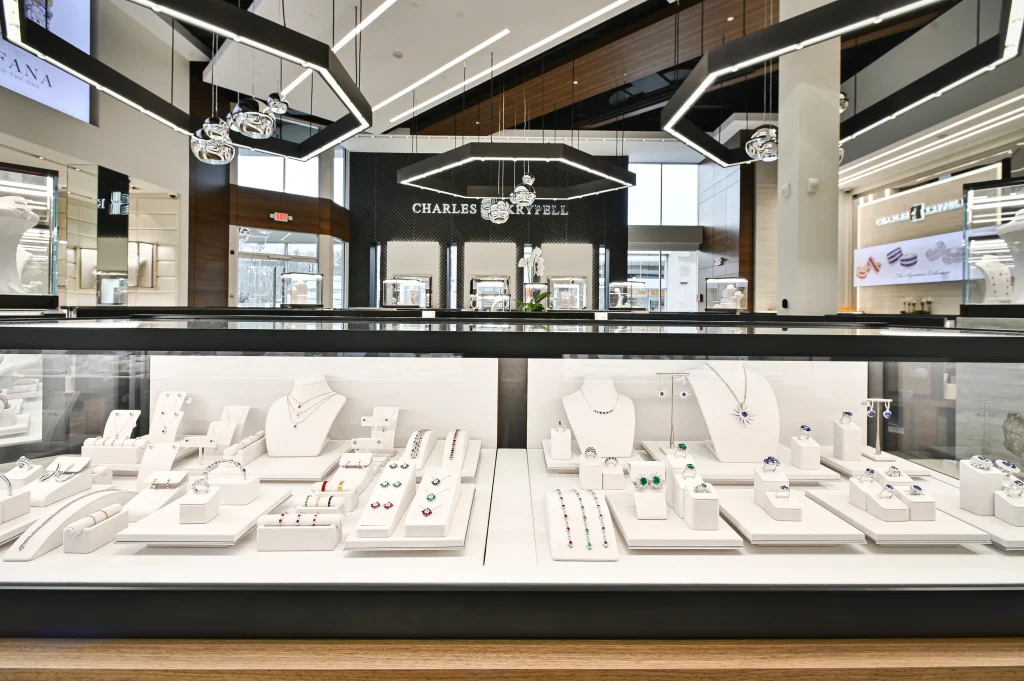

In the luxury jewelry market, presentation plays a critical role in shaping the customer experience. The materials used in jewelry display cases can dramatically impact how pieces are perceived, highlighting their beauty while ensuring durability and security. Custom made jewelry display cases are designed to meet these high standards, combining aesthetic appeal with functional performance to enhance both the jewelry and the store environment.
The Role of Material Selection in Display Design
Choosing the right materials is a crucial step in designing a display case. The materials must be visually appealing, durable, and practical, supporting both the jewelry and the retail setting. High-end displays often incorporate a combination of glass, wood, metal, and specialized linings to achieve a sophisticated look. Glass allows customers to view jewelry clearly from multiple angles, while wood and metal frames provide structural integrity and a luxurious appearance.
Retailers seeking premium display solutions often explore Custom Made Jewelry Display Cases to ensure their showcases are tailored to their store’s branding, collection types, and spatial design. These bespoke cases allow precise selection of materials, finishes, and interior linings to create a cohesive and elegant shopping environment that aligns with the store’s luxury image.
Glass Options: Clarity and Safety
Glass is the most critical component in jewelry display cases, as it directly affects visibility and presentation. Tempered glass is widely used for its strength and safety, reducing the risk of breakage while providing a crystal-clear view of the jewelry. Laminated glass is another popular choice, offering additional security and resistance to impact. Some luxury stores use anti-reflective or UV-protective glass to enhance the visual appeal of gemstones while protecting them from sunlight damage.
Glass thickness, edge finishing, and mounting methods are also important considerations. Properly installed glass ensures a seamless look and enhances the overall perception of quality, while maintaining safety standards for both customers and staff.
Wood and Metal: Strength and Aesthetics
Wood is a classic material choice that adds warmth and elegance to display cases. Hardwood varieties such as oak, maple, or walnut are popular for their durability and ability to take high-quality finishes. Exotic wood veneers can create a sense of opulence, while painted or lacquered finishes can be used to match the store’s interior design. Wood can also be combined with other materials, like metal accents or glass panels, to produce a balanced and refined look.
Metal is often incorporated for structural support, trim, or decorative elements. Stainless steel, brass, and aluminum are commonly used for their strength, longevity, and polished appearance. The combination of wood and metal creates a visually appealing contrast while ensuring the display case remains sturdy and functional over time.
Interior Linings: Protection and Presentation
The interior of a jewelry display case is as important as its exterior. Luxury jewelry requires soft, durable materials that protect delicate pieces from scratches and damage. Common lining options include velvet, suede, leather, and microfiber, each offering a unique look and texture. The color of the lining is carefully chosen to complement the jewelry and draw attention to its features. For example, dark linings can make diamonds and gemstones sparkle, while lighter shades highlight gold and silver tones.
Custom inserts and compartmentalized layouts also allow retailers to organize collections neatly while providing flexibility for seasonal updates or new arrivals. These interior considerations are essential for maintaining both beauty and functionality in luxury retail settings.
Lighting and Additional Enhancements
Lighting plays a pivotal role in how jewelry is showcased. Integrated LED lighting systems are commonly used in custom displays, highlighting sparkle and brilliance while keeping heat exposure minimal. Fiber-optic lighting is another option, providing targeted illumination to enhance gemstone colors and metal finishes. The material of the case itself can influence light diffusion, with reflective surfaces or glass coatings helping to distribute light evenly and attractively.
Additional enhancements, such as mirrored panels, lockable drawers, and tempered glass covers, further improve both security and aesthetic appeal. These features allow jewelry to be displayed elegantly while ensuring that high-value items are protected.
Conclusion
Selecting the right materials for custom jewelry display cases is an intricate process that balances beauty, durability, and security. Glass, wood, metal, and interior linings each contribute to the overall impact of a display, ensuring that jewelry is presented in the most appealing and safe manner. By investing in carefully chosen materials and bespoke designs, luxury retailers can elevate the shopping experience, enhance brand perception, and showcase their collections with sophistication and elegance. Custom made jewelry display cases are more than functional furniture—they are a strategic investment in creating a visually stunning and secure retail environment.